Floor Scrubber Rental vs Lease vs Buy: Which Is Right?
Published
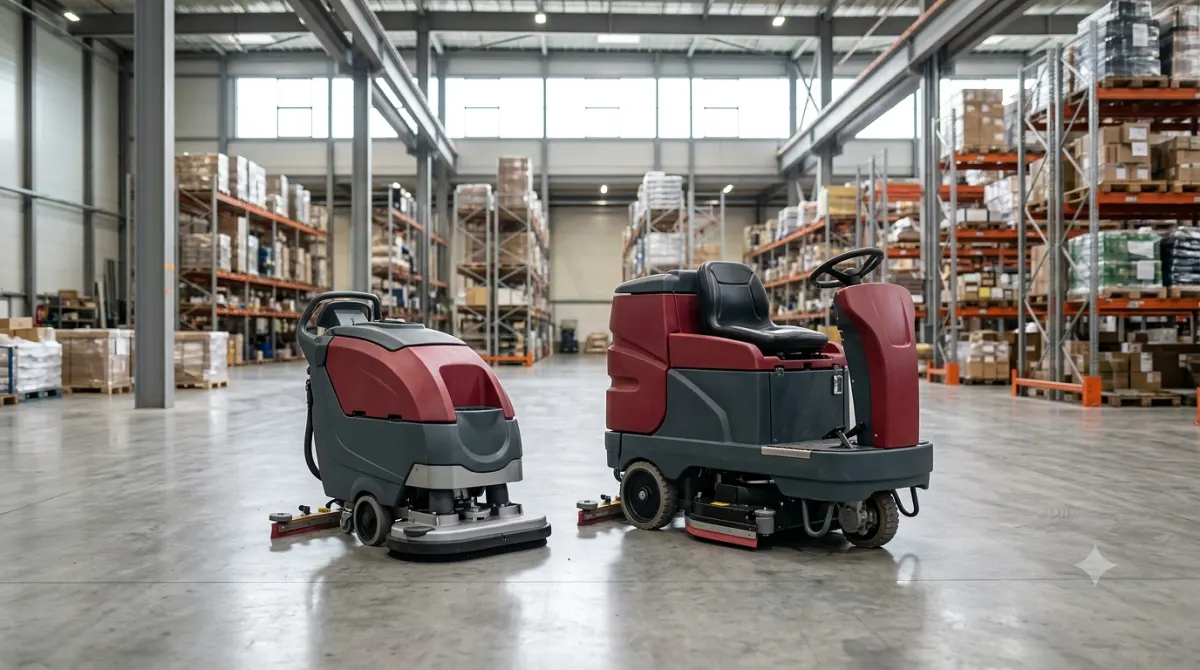
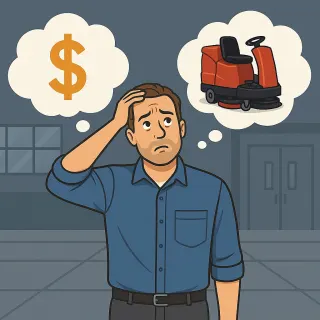
Sooner or later, every plant manager, warehouse supervisor, or facility director hits the same question: we need a floor scrubber — but should we rent one, lease one, or buy one outright?
There’s no single right answer. Each option is the smart move in the right situation and an expensive mistake in the wrong one. Here’s how to figure out which camp you’re in.
The short version: rent for short-term or uncertain needs, lease when cash flow matters more than total cost, and buy when you’ll run the machine regularly for years. Now let’s get into the details.
When Renting Makes Sense
Renting buys you flexibility. You pay for the machine only when you need it — no maintenance responsibility, no storage, no capital approval process.
Renting is usually the right call when:
- You have a short-term or one-off project. Post-construction cleanup, spring floor recovery, or an audit or customer visit you need to look sharp for.
- You want to try before you buy. Running a Factory Cat on your actual floor for two weeks tells you more than any spec sheet ever will.
- Your machine is down for service. A rental keeps your floors clean while your scrubber is in the shop, so production never sees the difference.
- Your needs are uncertain. New facility, changing production schedule, seasonal swings — renting lets you commit later, with better information.
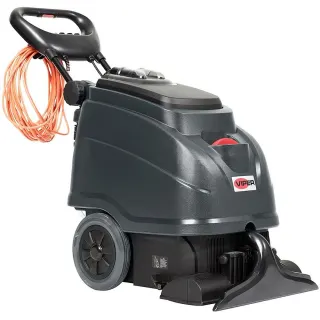
If you are interested in a rental machine, our floor scrubber rental fleet covers walk-behinds through riders.
When Leasing Makes Sense
A lease gives you a predictable monthly payment and keeps your capital free for the things that actually make your business money. For a lot of operations, that’s the whole argument.
Leasing tends to win when:
- Capital budgets are tight, but operating budgets aren’t. A monthly payment is often easier to get approved than a five-figure purchase order.
- You want a defined refresh cycle. At end of term you can return the machine, renew, or buy it out — useful if you like running newer equipment.
- You need the machine now and the budget later. A lease gets a scrubber on your floor this month instead of next fiscal year.
What to watch: the total cost over a lease term almost always exceeds the purchase price — that’s how financing works.
When Buying Makes Sense
If you’re scrubbing floors several times a week and expect to keep doing it for the foreseeable future, buying almost always wins on total cost. Full stop.
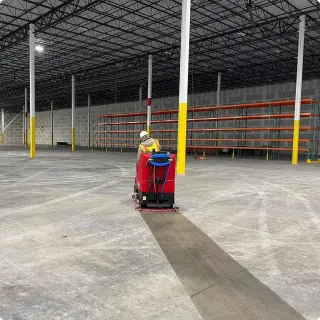
Industrial-grade machines are built for exactly this. Factory Cat and Kodiak scrubbers are heavy steel-frame machines designed to run for 10+ years with routine maintenance — these aren’t disposable appliances, they’re capital equipment in the truest sense. Spread a purchase price over a decade of near-daily use and the cost per scrubbing hour gets very small, very fast.
Buying is the right move when:
- The machine will run regularly, indefinitely. Daily or near-daily use is squarely in buy territory.
- You want full control. Your machine, your schedule, no return dates, no term limits.
- You have a service plan. Either in-house capability or a dealer relationship that keeps the machine maintained — ownership rewards upkeep.
And buying doesn’t have to mean buying new. Browse new Factory Cat and Kodiak equipment for the long-haul investment, or look at used equipment if the budget calls for it — a well-maintained used scrubber from a dealer that services what it sells can be a smart middle path.
The Simple Math
Here’s a rough rule of thumb for Wisconsin facilities: if you’ll need a scrubber for more than three to four months out of the year, the math starts tilting toward ownership. Below that, renting usually wins. Leasing lives in the middle — it’s less about duration and more about how your business prefers to pay.
The honest way to decide is to estimate your weekly machine hours, multiply out a year of rental versus a purchase with maintenance, and compare. We run this math with customers all the time, and the answer is different for a 30,000 sq ft machine shop than a 300,000 sq ft distribution center.
Questions to Ask Before You Decide
- How many hours per week will this machine actually run?
- Is this need permanent, seasonal, or project-based?
- Who maintains it — your team, or a service partner?
- Which is easier to get approved internally: capital expense or monthly operating expense?
Answer those four honestly, and the right option usually picks itself!
FAQ
How much does it cost to rent a floor scrubber? Rates vary by machine size and rental length — walk-behind scrubbers rent for less than rider machines, and weekly or monthly rates beat daily rates. Contact us for current rates on the size you need.
Is it cheaper to lease or buy a floor scrubber? Buying is almost always cheaper in total dollars. Leasing wins on cash flow and budget predictability. Which one is “cheaper” depends on which of those your operation values more.
Can I rent a floor scrubber before deciding to buy? Absolutely — and we recommend it. A rental period on your actual floors, with your actual debris and your actual operators, is the best demo there is. Talk to us about trying a machine before you commit.
Should I buy new or used? If the machine is mission-critical and will run daily for years, new usually pays off. If usage is lighter or budget is the constraint, a dealer-serviced used machine is a legitimate option. Either way, buy from someone who can service what they sell.
At Wisconsin Scrub & Sweep, we make renting, buying, and servicing floor care equipment simple. Whether you need a rental for next week’s project or you’re ready to put a Factory Cat or Kodiak on your floor for the next decade, our team will help you run the numbers and find the right fit — no pressure, no runaround. Check out our new equipment listingsor give us a call at (262) 333-0799 — we’d love to earn your business.